Category: Uncategorized

  • Political Gaslighting

    I feel the the world is cleaved in two halves. Liberals and conservatives in the US—and, to varying extents, in Europe—live in different realities. I am both baffled and provoked by political commentators with extremely myopic and biased views. The fact that so many of them have platforms is deeply disturbing. I suppose black-and-white opinions are simply easier to sell.

    On a recent episode of Piers Morgan’s show, right-wing guests claimed that liberals are to blame for the increased violence in the US. But they failed miserably to self-scrutinize and honestly examine themselves and their political in-group. Is the Left violent in terms of speech and actions? Yes. Antifa is to some extent violent, there has been plenty of demonizing of the Right, and some people even celebrated the death of Charlie Kirk.

    The extreme Left has not been—and still is not—too comfortable with opposing opinions, which is a huge problem. There is a dogma-problem in some versions of the “Woke Left”, which cannot be ignored. And celebrating Kirk’s death is vile and, in my opinion, a moral failure; It also only fuels further tensions. I’ve seen videos on TikTok and other platforms where people celebrate—it’s sickening.

    But to suggest, as some politicians and pundits do, including here in Denmark, that the Left is the main villain and that the Right is somehow a victim is simply astonishing. What about the hateful and violent speech from the Right, including Trump? Trump has been the primary engine of radicalizing and normalizing toxic, violent, and hateful speech over the past decade.

    What he has said about women, immigrants, and his political opponents … where does one even begin? Trump calls his opponents “radical communists and marxists” and “enemies within.” Is that any different from calling right-wingers “nazis”? Radical right-wingers literally wanted to hang Mike Pence on January 6, 2021. Oh, and speaking of January 6 … Trump still denies the election results and so does his servants. Doesnt this create a charged atmosphere, creating an angry mob of people who feels betrayed by their own government? How is this not conducive to increasing the political temperature?

    See this for stats on violence:

    And have you seen what people write on X? Are you kidding me? It’s a hotbed of extreme ideas, conspiracies, hostility. Just take Elon Musk himself.

    Both extremes of the spectrum need to calm down.

    Another point I hear a lot these days is that the Left misuses and overuses words like nazi and fascist. That is true. These labels should be used prudently, but let’s also dispense with the word “communist” or “radical Left” or “socialist” every time a liberal proposes something that isn’t conservative.

    And let’s be honest: Trump does display fascist tendencies. If someone on the Left displays autocratic or communist tendencies, then by all means, call them out on it. And the blatant hypocrisy when it comes to Trump: he is the greatest bully in the world; a man so incompetent and insecure that he must lie, attack and cheat his way through life; yet right-wingers have such a hard time saying anything negative about their supreme leader. Charlie Kirk himself said in a debate that Trump is a “truth teller”. Really?

    Furthermore, as much as I think it is despicable to celebrate Kirk’s death, it is not illegal speech. Yet now some Republicans are calling for retaliatory measures against those who expressed joy over it. Is that really going to calm things down? I thought the Right was the guardian and promoter of The First Amendment?

    And let’s not forget what recently happened against some Democrats, which Trump even couldnt remember when he was asked about it the other day:

    “Former Minnesota House Speaker Melissa Hortman and her husband, Mark, who were gunned down in what authorities say was a politically motivated killing, will lie in state in the state Capitol Rotunda on Friday, a day ahead of their funeral, Gov. Tim Walz announced Tuesday.

    Hortman, a Democrat, will be the first woman and one of fewer than 20 Minnesotans accorded the honor.

    The Hortmans were shot to death in their home in the northern Minneapolis suburb of Brooklyn Park early June 14. Before that, authorities say, the gunman wounded another Democrat, Sen. John Hoffman, and his wife, Yvette, who lived a few miles away in Champlin.” https://www.cbsnews.com/amp/minnesota/news/melissa-hortman-killed-john-hoffman-political-shootings/

  • #2 Jackson Pollocks fandenivoldskhed – med Jens Tang Kristensen

    Photo by Simi Iluyomade on Unsplash


    Lyt på Youtube eller Spotify.

    Om

    I juli i år udstillede sangeren Ed Sheeran i London en kollektion af malerier, som han kalder “Cosmic Carpark Paintings”. Efter sin store turné sidste år begyndte han at male abstrakte billeder. “Jeg løb hen til et nedlagt parkeringshus i Soho, malede, og løb så hjem igen – og det gjorde jeg hver dag, indtil jeg skulle på turné igen,” fortæller han.

    Malerierne består af farverige malingstænk og minder umiddelbart om Jackson Pollocks berømte drip paintings. Sheeran har selv sammenlignet sin stil med Pollocks – men den parallel har mødt hård kritik fra kunstverdenen, som kalder den både overfladisk og historieløs.

    Så spørgsmålet er: kan man tage Sheerans malerier seriøst som kunst, eller er de blot en kendis’ hobbyprojekt? Og hvad vil det egentlig sige, at noget er god malerkunst?

    For at blive klogere på disse spørgsmål – og mange flere – har jeg inviteret Jens Tang Kristensen, ph.d. i kunsthistorie og museumsinspektør ved Museum Sønderjylland, til en samtale.

    Kapitler

    00:00: Introduktion til Jens Tang Kristensen
    02:11: Ed Sheerans Cosmic Carpark Paintings
    03:29: Jackson Pollock og ny geopolitisk virkelighed
    09:56: Pollocks fandenivoldskhed
    12.28: Kunst som fysisk aftryk
    13:57: Performance kunst
    17:48: Counterculture
    20:19: Tekniske forskelle mellem Pollock og Sheeran
    21:09: Kunst som behov og nødvendighed
    23:24: Kan man adskille kunstneren fra kunsten?
    28:13: Lidelse som forudsætning for god kunst?
    28:52: Kollektiv lidelse
    30:46: Stereotypen om den lidende kunstner
    35:12: Kunst og kunstig intelligens

    Jens Tang Kristensen

    Kilde: https://frederikshavnkunstmuseum.dk/arrangement/ord-paa-foredrag-om-bovin-med-jens-tang-kristensen-3-september-kl-19-00/

    “Jens Tang Kristensen er ph.d. i kunsthistorie og museumsinspektør ved Museum Sønderjylland. Jens har i mange år været ansat som ekstern lektor, forsker og underviser ved Institut for Kunst og Kulturvidenskab, ved Københavns Universitet, siden ved Rytmisk Musik Konservatorium i København. Han har deltaget i en lang række internationale konferencer. Han afholder desuden løbende foredrag i højskole- og folkeuniversitetsregi, samt på diverse danske museer, som Cinemateket, Heerup Museum, Carl-Henning Pedersen og Else Alfelts Museum, Statens Museum for Kunst, Kunsten Aalborg, Holstebro Kunstmuseum, Frederikshavn Kunstmuseum, Odsherreds Kunstmuseum, J.F. Willumsens Museum ,Sorø Kunstmuseum, ligesom han afvikler offentlige og private omvisninger på Det Kongelige Danske Kunstakademi. Derudover bidrager han til kunst- og kulturdebatten, via indslag i landsdækkende medier, i særdeleshed på DR. Siden 2014 har Jens udgivet over 100 nationale og internationale forsknings-og formidlingsartikler samt bøger indenfor billedkunst, litteraturhistorie, musik, æstetik og politik.”


    Bibliografi

  • #1 En ubekvem sandhed – med Jesper Theilgaard

    Lyt på Youtube eller Spotify.

    https://youtu.be/1S0BjQoBYQQ?si=fnXgDbbu7vMo4_yr

    Kapitler

    00:00: En ubekvem sandhed
    02:18: Jespers baggrund
    04:47: Hvad er meteorologi?
    09:25: Global opvarmning
    11:50: Drivhusgasser
    15:08: Naturens forbundethed
    17:35: CO2s særlige rolle
    20:04: Den foruroligende hastighed
    22:17: Forandrede livsbetingelser
    25:01: Fra 280 til 425 ppm
    28:20: Økonomi vs. naturen
    31:21: Grøn omstilling og kunstig intelligens
    34:12: Tipping points
    38:27: Iskerner
    40:55: IPCC – FNs klimapanel
    43:31: Mistillid til videnskaben
    47:13: Det personlige ansvar og klima handling
    48:28: Vigtigheden af kulturelle møder
    50:23: Myte: manglende konsensus omkring menneskabte forandringer
    52:02: Myte: klimamodeller er upålidelige
    56:43: Positive udviklinger og fremtidsperspektiver

    Kort opsummering

    I denne episode taler jeg med meteorolog Jesper Theilgaard om klimaforandringer og konsekvenserne af, at kloden bliver stadig varmere. Jesper forklarer, hvad videnskaben på nuværende tidspunkt ved om klimaforandringer, og hvad der sker, når enorme mængder CO₂ pumpes ud i atmosfæren.

    Ét af hovedproblemerne ved klimaforandringer er, at både kloden og mennesket har svært ved at tilpasse sig den hastighed, forandringerne sker med. Ud over tempoet risikerer vi at nå såkaldte tipping points – vendepunkter, hvor der ikke er nogen vej tilbage.

    Vi taler også om FN’s klimapanel, IPCC, og dets rolle i kampen mod den globale opvarmnings farer. Derudover afkræfter Jesper nogle udbredte myter og reflekterer over, hvorfor nogle mennesker har tendens til at mistro videnskaben og i stedet lade sig forføre af misinformation.

    Communication, K. (2020, August 19). Jesper Theilgaard — KiER Communication. Kier Communication. https://www.kiercom.dk/profiler/
    foredragsholder/jesper-theilgaard

    “JESPER THEILGAARD (f. 1955) er uddannet flyvemeteorolog i 1978. I 1990 kom han til DMI og begyndte samtidig som tv-meteorolog på Danmarks Radio. Forlod DR i 2018 og er nu fuldtidsbeskæftiget med formidling inden for klimaområdet. Har udgivet en række bestsellerbøger om klima og vejrfænomener og modtog i 2007 Gyldendals Faglitterære Pris for bogen Det danske vejr.”

    Læs mere på hans hjemmeside: https://klimaformidling.dk/


    1. https://www.un.org/en/climatechange/science/climate-issues/degrees-matter
    2. https://www.weforum.org/stories2018/05/earth-just-hit-a-terrifyingmilestone-for-the-first-time-in-more-than-800-000-years/
    3. https://www.climate.gov/news-features/understanding-climate/climate-change-atmospheric-carbon-dioxide


    Bibliografi

  • Anmeldelse: Bogen om historie – forlaget Bark

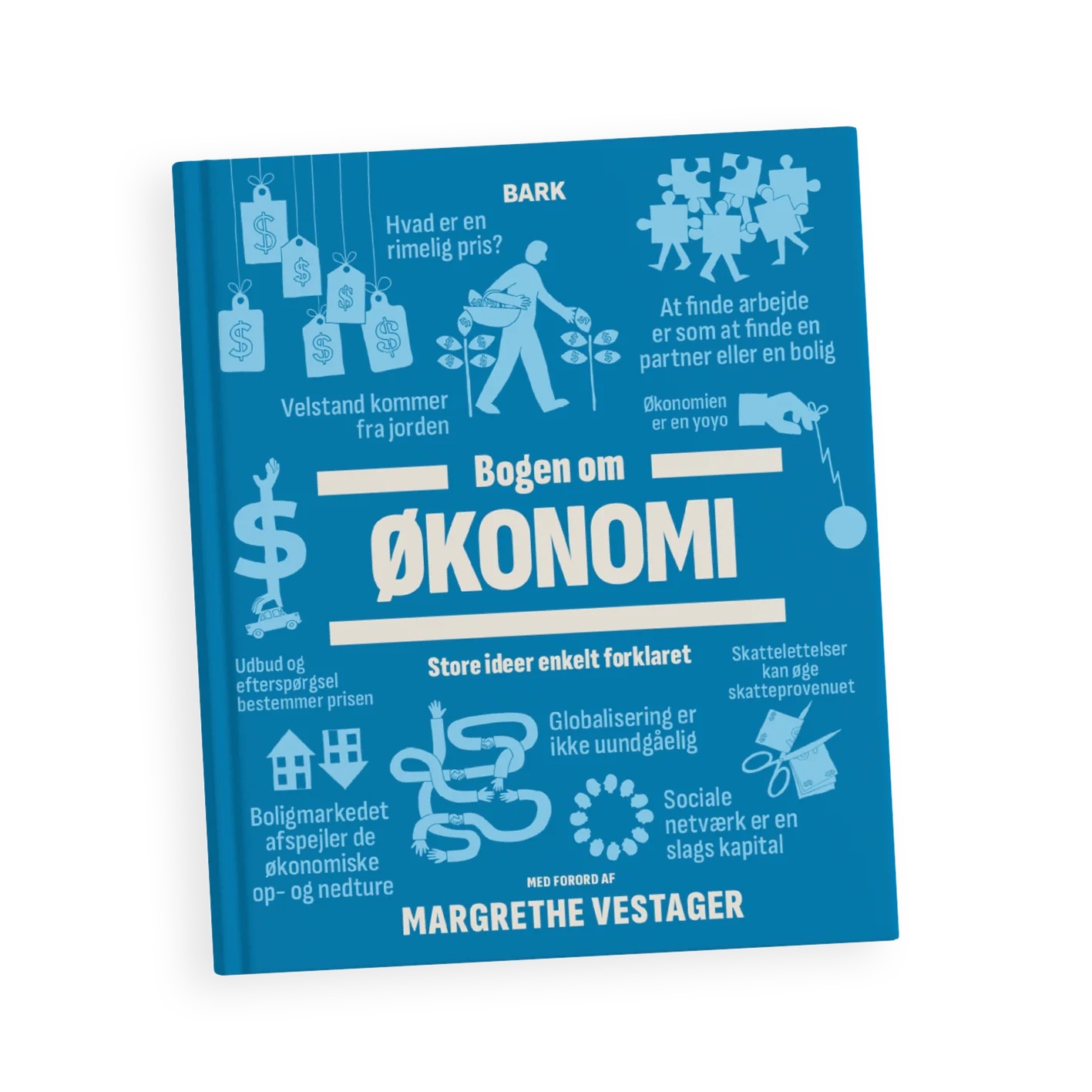
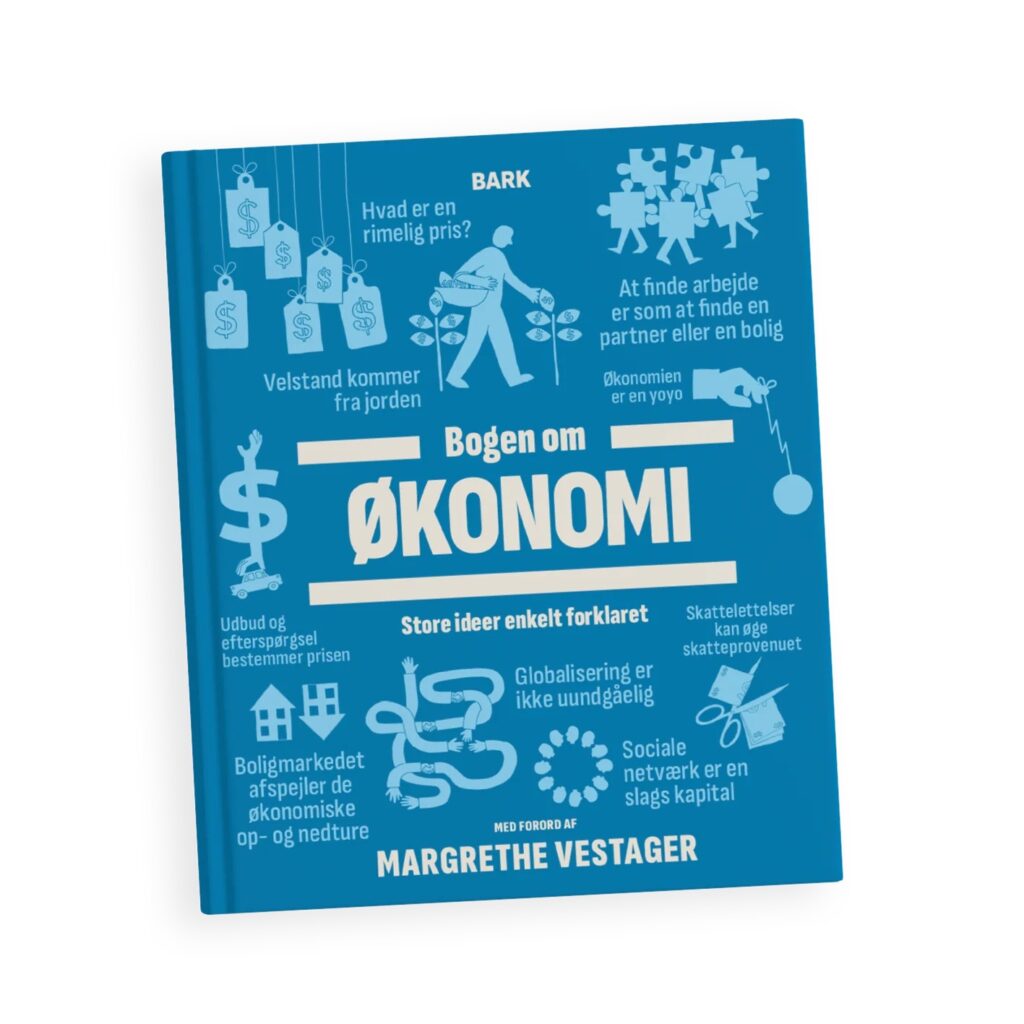
    Jeg ved ikke, hvor jeg skal starte. At åbne Bogen om historie fra Bark er som at åbne en skattekiste fyldt med værdifulde genstande.

    (more…)
  • the messy world of emotions and feelings


    You read a message from someone on social media and you feel your heart beating faster, your breathing becomes shallow, and you feel a knot in your stomach. The raw emotion of anger has been triggered and is changing your physiological state, signaling to your body and mind that something of importance has occurred, something that is either a threat to your physical or psychological well-being, or both. So now what?

    (more…)
  • Commencement Speech for IB Class 2025 – EUC Syd

    Photo by Emmanuel Offei on Unsplash

    I had the privilege of delivering this year’s commencement speech for the IB class of 2025 at EUC Syd, Sønderborg. Here it is:

    “Good afternoon, graduates, families, and friends. Congratulations to the IB Class of 2025. The day you’ve eagerly awaited and dreamed about is finally here. I am grateful and excited to be a part of your special moment, which marks the end of one chapter and the beginning of another.

    Being your teacher and listening to your thoughtful perspectives and ideas has genuinely been a privilege. In Theory of Knowledge, we discussed complex questions such as, “What is knowledge, and what information can we trust?”; “Do animals have language?”; and “Can historians ever produce objective knowledge?”. In psychology, we tackled difficult yet crucial themes like globalization, addiction, stereotypes, and discrimination. All in all, you learned that there are no black and white answers to complicated issues, and that solutions require careful reflection and critical thinking.

    But beyond witnessing your thoughtful exploration of complex questions, I also saw how academic pressure sometimes left you frustrated, anxious, and overwhelmed. To help you unwind at the beginning of a few psych lessons, I tried playing mindfulness music for five minutes, asking you to close your eyes and rest your heads on the table. I joined in, too, only to find one of you lying on the floor five minutes later in a rather unusual position. And then there was the time during an evolutionary psychology lesson when I excitedly showed a fascinating video of a bird carefully building its nest – well, at least I thought it was fascinating until I noticed one of you falling asleep…

    But humor aside, I genuinely relate to the stress and anxiety you might have felt when facing deadlines and something important. But know that we teachers have been there, too. Let me illustrate with a brief personal example.

    On a Sunday afternoon in September 2019, I was racing to finish a daunting 60-page philosophy paper due the next morning; the culmination of five intense years at university. At the same time, I was preparing to teach my first-ever university class the next day. Overwhelmed, I went for a walk to clear my mind, only to find myself gripped by anxiety and doubt. “Will I finish my paper in time?” “Am I even qualified to teach?” “Will everyone think that I’m a fraud?” My mind became cluttered with negativity, including the sarcastic words of a high school physics teacher after a failed exam: “Good luck in the future!”, he said.

    That Sunday I felt the world was ending. But morning arrived, my paper was submitted, and I taught my class. Life moved on, I graduated and eventually found myself in an exciting and meaningful role teaching IB students. Everything, despite my fears, turned out just fine. As philosopher Alan Watts once said, “Don’t be afraid. You’re going to make it, but it’s always going to feel as if you’re not.” Somehow, things always work themselves out, one way or the other.

    Dear graduates, you are a talented group of people, full of potential, with your whole life ahead of you. You stand before a future rich with possibility and adventure, but at the same time, a future that is increasingly difficult to predict. The world faces unprecedented environmental and technological challenges and is also haunted by anti-democratic ghosts of the past. The world calls upon you to confront these and other issues with intelligence, determination, collaboration, and not least with humility. By engaging actively with these and other societal problems, you’ll find growth, meaning, and purpose.

    Before you leave these classrooms and corridors and embark on your next journey, allow me to share three short lessons – insights I wish someone had shared with me when I was your age. At the senior age of 35, I’d like to imagine I’ve acquired a modest amount of hard-earned wisdom—at least enough to share a few insights with you today.

    Lesson one: you will make mistakes and wrong decisions – but that’s okay. The Danish philosopher Søren Kierkegaard humorously captures this human truth: “Marry, and you will regret it; don’t marry, you will also regret it; marry or don’t marry, you will regret it either way.” Choices, imperfect as they may be, shape who you become. Embrace uncertainty; see fear not as a giant red stop sign, but as an invitation to curiosity and exploration. The psychiatrist Thomas Szasz once said, “A child becomes an adult when she realizes that she has a right not only to be right but also to be wrong.

    Lesson two: you will encounter setbacks and misfortune. Not every plan or goal will unfold as expected. But remember, failure can sometimes exactly be what you need to become something greater; misfortune can carry the seeds of emotional and spiritual growth. Eckhart Tolle once wrote that, “Life will give you whatever experience is most helpful for the evolution of your consciousness.

    And lesson three: you cannot do it alone. Carrying all your thoughts and emotions by yourself can be incredibly difficult – and it’s more than okay to be vulnerable and ask for support. Being vulnerable while owning it is an act of true strength and bravery. I wouldn’t be sitting here today without the support and consolation of my family and friends in times of need, nor without the inspiring teachers, professors, and employers who believed in me and paved the way for me.

    So, offer your support to others, too. Never underestimate the power you have to make the world just a little better for the people around you. Be a light in the darkness.

    Once again, congratulations IB Class of 2025. Go confidently and courageously into your bright futures.”

  • you left without saying goodbye

    Photo by Egor Myznik on Unsplash


    I see you in the kitchen
    I see you in the park
    I see you in my bathroom-
    your blue toothbrush
    next to mine.

    I see you walking by me on the street,
    I see you in her eyes,
    in the café
    across the room.

    In the bedroom,
    I see you naked,
    vulnerable
    and full of life.

    I see you in my dreams,
    I feel you in the songs
    we used to hear,
    in the movies
    we used to watch.

    I see you on my couch,
    arms folded,
    legs crossed,
    holding back
    a smile.

    You’ve colonised my world.
    It belongs to you;
    It belongs to an imaginary us,
    existing somewhere somehow-
    God knows where,
    maybe.
    Maybe.

    ///

    Vidim te u kuhinji
    Vidim te u parku
    Vidim te u mom kupatilu –
    tvoja plava četkica za zube
    pored moje.

    Vidim te kako prolaziš pored mene na ulici,
    vidim te u njenim očima,
    u kafiću
    s druge strane prostorije.

    U spavaćoj sobi,
    vidim te nagu,
    ranjivu
    i punu života.

    Vidim te u svojim snovima,
    osjećam te u pjesmama
    koje smo nekad slušali,
    u filmovima
    koje smo nekad gledali.

    Vidim te na mom kauču,
    sklopljenih ruku,
    prekriženih nogu,
    kako zadržavaš
    osmijeh.

    Kolonizirala si moj svijet.
    Pripada tebi;
    pripada zamišljenom nama,
    koji negdje nekako postojimo –
    Bog zna gdje,
    možda.
    Možda.

  • Joker: Folie à Deux


    I just watched Joker: Folie à Deux. Despite the musical scenes and elements (not really my thing), I really enjoyed it. Here are some observations and comments.

    SPOILER ALERT

    The film emphasizes how people perceive you as they wish, and how society quickly rejects you if you don’t meet its expectations. Arthur’s lawyer and Harley Quinn (Lee) want him to be something he’s not – The Joker. Both of these women try to manipulate Arthur for their own interests. The lawyer insists Arthur developed a split personality to prove his innocence and advance her career; Lee speaks to his alter-ego to live out her own twisted fantasy. Are these characters extensions of Arthur’s mother, who also didn’t accept him for who he was, as shown by her calling him “happy”? Harvey Dent, the prosecuter, sees him as a monster. But is he?

    All Arthur desires is connection, love, acceptance, to be valued for who he is. Don’t we all? Yet, he is profoundly emotionally wounded, not shaped for society and its demands, making rejection easy. The film depicts Arthur as essentially weak, unable to embody his clown alter-ego and lacking control over his life. He is not The Joker, the strong persona who “can do anything”; this persona cannot shield him from the world’s cruelties. This is shown by his humiliation and dehumanization by the prison guards who sodomize him after his theatrical Joker performance in court. Furthermore, when he hears his prison mate being strangled, it seems he experiences a PTSD episode, reminding him of severe childhood trauma. He is so traumatized that he often retreats into an inner world where he feels safe and in control.

    A meta-layer?
    Interestingly, the film itself seems to be rejected by many in the audience (receiving bad-to-mixed reviews), perhaps because they expected something different. Perhaps they anticipated The Joker, chaos, violence, and mayhem – to be ENTERTAINED – not to witness an exploration of a broken, fragile, unwanted human being. As Arthur says at one point, “I got this sneaking suspicion that we’re not giving the people what they want.” How meta. The ending line, just before Arthur is stabbed in the gut, can also be interpreted on a meta-level: “You get what you deserve!”

    *

    I read or heard before watching the film that psychological explorations of tormented killers, like Fleck or Dahmer (real), are misguided because these individuals are innately evil, implying that we should not sympathise with them. I couldn’t disagree more. We can attempt to understand the inner workings of killers while still holding them legally and morally accountable for their actions. Even if a person is deemed evil, they didn’t choose to be so. Nobody chooses their genes, pre- and post-natal environment, parents, society, and culture. I would rather live in a society that shows empathy towards individuals who are victims of fate than one that sees the world in absolutes, in simple good and evil categories, thereby increasing the risk of dehumanization and mass atrocities.

    I see some parallels between Frankenstein’s monster and The Joker: Mary Shelley’s “Frankenstein” and The Joker share an intriguing exploration of the Monster’s subjectivity. In Shelley’s novel, the creature is a complex being seeking understanding and acceptance, grappling with its own identity and the rejection from society. Similarly, the Joker often represents chaos and madness, yet beneath the surface lies a deeper commentary on the nature of humanity and what it means to be seen as a monster.

  • Has your happiest moment already passed?


    The Turkish novelist, Orhan Pamuk, once wrote:

    It was the happiest moment of my life, though I didn’t know it. If I had known, if I had cherished this gift, would everything have turned out differently?”[1]

    Why is it that the happiest moments of our lives might escape our mental radar while we are experiencing them? Depending on who you are and what stage of life you are in, you might have already lived through your best moments. If you were not fully aware of the significance of these events at the time, you might have undervalued them. This probably sounds depressing, but it is not my intention to discourage you. Rather, I aim to make you reflect on your relationship with time and how consciousness interacts with it. As with most things, there is a silver lining.


    How the present is experienced is to some degree a function of our expectations for the future. For instance, if I find myself in agonizing physical pain because I hit my big toe, I can manage the uncomfortable sensations, since I expect them to subside quickly. On the other hand, if I suddenly experience intense and sharp pain in my right abdomen, I might go into panic mode, because I do not know what to expect; infection, cancer, appendicitis? Approximately identical pain sensations can engender different perceptions and levels of stress and fear depending on the interpretation.

    Furthermore, in the latter moment, it might feel like the worst experience of my life, but when I later discover my pain was due to digestion issues, I’ll probably reassess the meaning of said experience. A moment can also be full to the brim with positive emotions but fail to be registered as the miracle it is until it is too late (more on this later).

    However we cognitively and emotionally evaluate something we are experiencing, this evaluation —  tacit or conscious — may be altered when the future arrives and becomes the present.

    The Past and the Intricate Mind
    We often think of the past as something fixed and finished. “You cannot change the past”, we are told repeatedly, usually when the memory of an event is stirring up negative thoughts and emotions. Yet, the present continuously shapes the perception of past moments and events and the meanings we ascribe to them. This makes the past, in a sense, flexible and malleable.

    Everyone knows how light bends — refracts — when it moves through water. This happens because water is more dense than air, causing light to move slower. In a similar vein, when events of the past move through a mind that is depressed, for instance, they can become altered; experiences from the past seem warped and alienating. Or when the mind is tainted by grief due to the loss of a romantic partner, flashbacks of intimacy can become so intense and vivid that they leave no room for the present and the future. A humbled and wiser mind may reconsider the value of an experience, a relationship, or an event. This subjective reinterpretation underscores the dynamic nature of memory.

    Ignorance of the Future
    As our minds and who we are unceasingly develop through new experiences, so too, do our perceptions. Moments from the past may therefore obtain new meanings, overwhelming us in the process, possibly confronting us with past naïveté and arrogance, wishing we had reasoned and acted differently when we still had the chance.

    Orhan Pamuk writes,

    “In fact, no one recognizes the happiest moment of their lives as they are living it. It may well be that, in a moment of joy, one might sincerely believe that they are living that golden instant “now,” even having lived such a moment before, but whatever they say, in one part of their hearts they still believe in the certainty of a happier moment to come. Because how could anyone, and particularly anyone who is still young, carry on with the belief that everything could only get worse: If a person is happy enough to think he has reached the happiest moment of his life, he will be hopeful enough to believe his future will be just as beautiful, more so.”[2]

    As mentioned in the beginning, the way we relate to current experiences is influenced by held beliefs about the future. According to Pamuk, the innocence that permeates the human mind, especially a young mind, goes hand in hand with assumptions about the future that can make one underappreciate present miracles. Due to intrinsic intellectual and emotional shortcomings as humans, we risk not acknowledging experiences for their potential significance.

    Ignorance is bliss”, the saying goes, but the problem is that one cannot remain in a state of not knowing throughout the course of life; existential crises and loss will burst the bubble of innocence eventually, inevitably forcing one to confront his or her life, its inherent choices and decisions, and one’s perceptions. Unavoidably, some beautiful things will only be perceived for their true value in retrospect.

    But one thing is being naive about the present and the future, another is the arrogance, which so often accompanies ignorance; believing one knows more than he does. In this case, thinking one knows the future and has control over it.

    I assume everyone who has moved on from the tumultuous days of adolescence has realized how often they were wrong and naive about things. Stumbling around as a teenager with an underdeveloped brain, still cuddled within the warm and secure family nest, we knew so little about ourselves and how the world functions. Yet, we were so arrogant when our parents offered advice, foresight, and caution. How arrogantly we believed we had things figured out; how delusional we were.

    In my observations, it is as if arrogance is inversely proportional to ignorance; the less we know, the more knowledgeable we believe ourselves to be. In psychology, this mental distortion is called the “Dunning-Kruger effect”.[3] And arrogance can be costly.

    Love
    Perhaps there is no greater euphoric peak than the one reached in love. It is therefore no mystery why loss in love due to naïveté and arrogance can be a painfully bitter pill to swallow, as the cliché goes. I have had the privilege of loving intensely and deeply, like many others. But in hindsight, I took some love for granted, because I at that time did not, and perhaps could not, realize how truly profound the moments with her were.

    As Michael Jackson sings,

    To think for two years she was here,
    And I took her for granted I was so cavalier,
    Now the way that it stands,
    She’s out of my hands.

    I was also seduced by hedonistic visions of the future and directed by the belief that the best was yet to come, or at least that the best could still come. It may very well still do, but the point is that the moment could have been cherished more if my expectations and assumptions about the future had been more mature, and if my arrogance had been curbed. And maybe, just maybe, things would have unfolded differently.

    Silver Lining
    The knowledge of regretful past decisions and actions cuts through the heart like a razor, the bleeding difficult to stop. Yet, even though the twin pairs of ignorance and arrogance are inherent qualities of human nature, it doesn’t prevent the individual from punishing himself harshly for his past decisions. I wonder if this is a subtle form of masochism; the individual derives some sense of pleasure from self-blame because he thinks he deserves it.

    I think the coping strategy in such instances is realizing that we live lives driven by needs, desires, hopes, and fears, which we did not author ourselves; our existence is influenced by biological and psychological configurations, as well as cultural values, which shape our beliefs and actions; we are subject to forces over which we have limited control; we are victims of an ignorance that nature has imposed upon us, which is why self-blame is only partially justified. We need to practice more self-care.

    Some things cannot be known before the future arrives; before experiences weave themselves into the fabric of the mind. Loss is inevitable. However, loss in life, whatever it is, has the potential to humble and bind a man to his inescapable mortality, making him see more clearly.

    In the end, Pamuk’s reflection reminds us that the value of experiences often reveals itself only in hindsight. But we can work on cultivating an awareness and appreciation of the good things in life, of the happy moments and periods we are living through. Good things come to an end, and it is hard to say when or if certain experiences will return before Time reclaims us. By being more aware and cherishing our moments now, we might find that our future selves look back with gratitude rather than regret.


    [1] Orhan Pamuk: “The Museum of Innocence”.
    [2] Orhan Pamuk: “The Museum of Innocence”.
    [3] Dunning-Kruger Effect. (2024, January 24). Psychology Today. https://www.psychologytoday.com/intl/basics/dunning-kruger-effect

  • Bevidsthedsstrøm om bevidstheden

    Anerkendelse: dzika_mrowka/istockphoto


    Et menneske undfanges, bliver til, og kastes ind i verden. Jeg ved ikke, hvilken filosof jeg har det udtryk fra: at blive kastet ind i verden. Måske var det en franskmand, eller franskkvinde. Eller var det en tysker? Uanset ophavsmanden, eller kvinden, synes jeg, at udtrykket er meget fint beskrivende for menneskets første møde med verden; noget voldsomt, kaotisk, desorienterende, ja, måske endda traumatiserende, hvis Freud skulle bestemme.

    Dog er det nok forkert at sige, at fødslen er menneskets “første” møde med verden, da dette “øjeblik” må nødvendigvis indtræde før man glider ud af mørket og ind i lyset. Fosteret, organismen, personen?, kan sanse omgivelserne længe før selve fødslen, og det er sansningen, der etablerer mødet med noget andet, med verden, selvom fosterets sansning er blind og ubevidst.

    Kastetheden betegner dog et radikalt skift i organismens ydre omgivelser; man presses, hives, skubbes, sommetider skæres, ud, og oversvømmes med sanseindtryk. Efter fødslen udvider menneskets verden sig, på ingen tid, umådelig og uendelig kompleks, svanger med information, der kan be-tydes, forstås, inkorporeres. ‘Inkorporeres’ er meget præcist, idet information bogstavelig talt tager kropslig form – i form af neurale forbindelser i hjernen og resten af kroppen. Verden indenfor spejler verden udenfor.

    Barnet indtræder i en natur- og social verden som det er magtesløst overfor. Det har endnu ingen “fri vilje”, der kan sætte sig igennem og er derfor overladt til kræfter, der former dets krop, hjerne og bevidsthed på måder som det ikke selv er herre over. Den person man “ender” med at blive, eller den hjerne, man “ender” med at bevæge sig rundt i verden med, er i begrænset omfang et produkt af ens egne skabende evner.

    Det bevidste ‘Jeg’, og organismen som ‘Jeget’ henviser til, søger konstant ligevægt med verden. Det er en søgen, der primært foregår i mørket, under eller bagved bevidsthedens lys.

    Organismen og verden, bevæger sig, op og ned, ind og ud, udenom indsigt og vilje. Kosmiske gasskyer formede massive ildkugler, som smedede tungere grundstoffer, som formede planeter, Jorden, liv og bevidsthed. Livet er et sprog bestående af få elementer; hvordan kommer grundlæggende elementer – såsom hydrogen og kulstof – sammen på så utænkelige og komplekse måder, hvorfra bevidsthed opstår, og jeg sidder her og skriver disse ord? Og hvor er livet på vej hen? Hvad med universet? Det bevæger sig væk fra sig selv, på en måde, men hvortil?

    Bevidstheden aner ingen skid; tarmen er befolket med kolonier af mikroorganismer, der styres af temperatur, tryk, energiomsætninger, molekylers formålsløse motion; bakterier, archaea, svampe og vira; mikroskopiske forandringer, usanselige for Jeget, kan formå at sætte sig igennem, åbne lemmen ind til bevidstheden. Men det er Jeget ikke herre over. Et sted har jeg læst, at bevidstheden blot er en eftertanke. Er det sandt, eller blot noget, min bevidsthed bilder mig ind?

    I hvert fald eksisterer drifter og behov, krav eller kald fra organismen, der kan udtrykke sig i mentale, flygtige billeder, og handlinger; en indre Vilje, stiger til vejrs fra en kosmisk dybde, som Jeget ikke selv har villet.

    Jeg finder outputtet af denne bevidsthedsstrøm befriende. Tingene falder ud som de nu engang falder ud, og jeg er et kontinuerligt produkt af kræfter og virkninger, der er så komplekse og uforståelige, vilkår og begivenheder, der er så usandsynlige, at de overgår min begrænsede forstand og magt. Hvis jeg kan acceptere, at der er størrelser i verden, som er større end mig, så kan jeg slippe kvælertaget om livet, om end kun en smule. Lade livet være, lade tingene komme lidt mere til mig i stedet for, at jeg skal storme imod dem, desperat efter at vide og kontrollere. Men det er lettere sagt end gjort.

    *

    “Den menneskelige civilisation har udviklet vores evne til at fise. Vi dyrker ris og vi holder husdyr, vi bryder kul og pumper naturgas, vi rydder skove og oversvømmer tørre områder. Vi går alvorligt til vores opgave; vi tjener stjernernes svendestykke. Men vi gøre for meget ud af det.”