Author: Denis

  • Political Gaslighting

    I feel the the world is cleaved in two halves. Liberals and conservatives in the US—and, to varying extents, in Europe—live in different realities. I am both baffled and provoked by political commentators with extremely myopic and biased views. The fact that so many of them have platforms is deeply disturbing. I suppose black-and-white opinions are simply easier to sell.

    On a recent episode of Piers Morgan’s show, right-wing guests claimed that liberals are to blame for the increased violence in the US. But they failed miserably to self-scrutinize and honestly examine themselves and their political in-group. Is the Left violent in terms of speech and actions? Yes. Antifa is to some extent violent, there has been plenty of demonizing of the Right, and some people even celebrated the death of Charlie Kirk.

    The extreme Left has not been—and still is not—too comfortable with opposing opinions, which is a huge problem. There is a dogma-problem in some versions of the “Woke Left”, which cannot be ignored. And celebrating Kirk’s death is vile and, in my opinion, a moral failure; It also only fuels further tensions. I’ve seen videos on TikTok and other platforms where people celebrate—it’s sickening.

    But to suggest, as some politicians and pundits do, including here in Denmark, that the Left is the main villain and that the Right is somehow a victim is simply astonishing. What about the hateful and violent speech from the Right, including Trump? Trump has been the primary engine of radicalizing and normalizing toxic, violent, and hateful speech over the past decade.

    What he has said about women, immigrants, and his political opponents … where does one even begin? Trump calls his opponents “radical communists and marxists” and “enemies within.” Is that any different from calling right-wingers “nazis”? Radical right-wingers literally wanted to hang Mike Pence on January 6, 2021. Oh, and speaking of January 6 … Trump still denies the election results and so does his servants. Doesnt this create a charged atmosphere, creating an angry mob of people who feels betrayed by their own government? How is this not conducive to increasing the political temperature?

    See this for stats on violence:

    And have you seen what people write on X? Are you kidding me? It’s a hotbed of extreme ideas, conspiracies, hostility. Just take Elon Musk himself.

    Both extremes of the spectrum need to calm down.

    Another point I hear a lot these days is that the Left misuses and overuses words like nazi and fascist. That is true. These labels should be used prudently, but let’s also dispense with the word “communist” or “radical Left” or “socialist” every time a liberal proposes something that isn’t conservative.

    And let’s be honest: Trump does display fascist tendencies. If someone on the Left displays autocratic or communist tendencies, then by all means, call them out on it. And the blatant hypocrisy when it comes to Trump: he is the greatest bully in the world; a man so incompetent and insecure that he must lie, attack and cheat his way through life; yet right-wingers have such a hard time saying anything negative about their supreme leader. Charlie Kirk himself said in a debate that Trump is a “truth teller”. Really?

    Furthermore, as much as I think it is despicable to celebrate Kirk’s death, it is not illegal speech. Yet now some Republicans are calling for retaliatory measures against those who expressed joy over it. Is that really going to calm things down? I thought the Right was the guardian and promoter of The First Amendment?

    And let’s not forget what recently happened against some Democrats, which Trump even couldnt remember when he was asked about it the other day:

    “Former Minnesota House Speaker Melissa Hortman and her husband, Mark, who were gunned down in what authorities say was a politically motivated killing, will lie in state in the state Capitol Rotunda on Friday, a day ahead of their funeral, Gov. Tim Walz announced Tuesday.

    Hortman, a Democrat, will be the first woman and one of fewer than 20 Minnesotans accorded the honor.

    The Hortmans were shot to death in their home in the northern Minneapolis suburb of Brooklyn Park early June 14. Before that, authorities say, the gunman wounded another Democrat, Sen. John Hoffman, and his wife, Yvette, who lived a few miles away in Champlin.” https://www.cbsnews.com/amp/minnesota/news/melissa-hortman-killed-john-hoffman-political-shootings/

  • #2 Jackson Pollocks fandenivoldskhed – med Jens Tang Kristensen

    Photo by Simi Iluyomade on Unsplash


    Lyt på Youtube eller Spotify.

    Om

    I juli i år udstillede sangeren Ed Sheeran i London en kollektion af malerier, som han kalder “Cosmic Carpark Paintings”. Efter sin store turné sidste år begyndte han at male abstrakte billeder. “Jeg løb hen til et nedlagt parkeringshus i Soho, malede, og løb så hjem igen – og det gjorde jeg hver dag, indtil jeg skulle på turné igen,” fortæller han.

    Malerierne består af farverige malingstænk og minder umiddelbart om Jackson Pollocks berømte drip paintings. Sheeran har selv sammenlignet sin stil med Pollocks – men den parallel har mødt hård kritik fra kunstverdenen, som kalder den både overfladisk og historieløs.

    Så spørgsmålet er: kan man tage Sheerans malerier seriøst som kunst, eller er de blot en kendis’ hobbyprojekt? Og hvad vil det egentlig sige, at noget er god malerkunst?

    For at blive klogere på disse spørgsmål – og mange flere – har jeg inviteret Jens Tang Kristensen, ph.d. i kunsthistorie og museumsinspektør ved Museum Sønderjylland, til en samtale.

    Kapitler

    00:00: Introduktion til Jens Tang Kristensen
    02:11: Ed Sheerans Cosmic Carpark Paintings
    03:29: Jackson Pollock og ny geopolitisk virkelighed
    09:56: Pollocks fandenivoldskhed
    12.28: Kunst som fysisk aftryk
    13:57: Performance kunst
    17:48: Counterculture
    20:19: Tekniske forskelle mellem Pollock og Sheeran
    21:09: Kunst som behov og nødvendighed
    23:24: Kan man adskille kunstneren fra kunsten?
    28:13: Lidelse som forudsætning for god kunst?
    28:52: Kollektiv lidelse
    30:46: Stereotypen om den lidende kunstner
    35:12: Kunst og kunstig intelligens

    Jens Tang Kristensen

    Kilde: https://frederikshavnkunstmuseum.dk/arrangement/ord-paa-foredrag-om-bovin-med-jens-tang-kristensen-3-september-kl-19-00/

    “Jens Tang Kristensen er ph.d. i kunsthistorie og museumsinspektør ved Museum Sønderjylland. Jens har i mange år været ansat som ekstern lektor, forsker og underviser ved Institut for Kunst og Kulturvidenskab, ved Københavns Universitet, siden ved Rytmisk Musik Konservatorium i København. Han har deltaget i en lang række internationale konferencer. Han afholder desuden løbende foredrag i højskole- og folkeuniversitetsregi, samt på diverse danske museer, som Cinemateket, Heerup Museum, Carl-Henning Pedersen og Else Alfelts Museum, Statens Museum for Kunst, Kunsten Aalborg, Holstebro Kunstmuseum, Frederikshavn Kunstmuseum, Odsherreds Kunstmuseum, J.F. Willumsens Museum ,Sorø Kunstmuseum, ligesom han afvikler offentlige og private omvisninger på Det Kongelige Danske Kunstakademi. Derudover bidrager han til kunst- og kulturdebatten, via indslag i landsdækkende medier, i særdeleshed på DR. Siden 2014 har Jens udgivet over 100 nationale og internationale forsknings-og formidlingsartikler samt bøger indenfor billedkunst, litteraturhistorie, musik, æstetik og politik.”


    Bibliografi

  • #1 En ubekvem sandhed – med Jesper Theilgaard

    Lyt på Youtube eller Spotify.

    https://youtu.be/1S0BjQoBYQQ?si=fnXgDbbu7vMo4_yr

    Kapitler

    00:00: En ubekvem sandhed
    02:18: Jespers baggrund
    04:47: Hvad er meteorologi?
    09:25: Global opvarmning
    11:50: Drivhusgasser
    15:08: Naturens forbundethed
    17:35: CO2s særlige rolle
    20:04: Den foruroligende hastighed
    22:17: Forandrede livsbetingelser
    25:01: Fra 280 til 425 ppm
    28:20: Økonomi vs. naturen
    31:21: Grøn omstilling og kunstig intelligens
    34:12: Tipping points
    38:27: Iskerner
    40:55: IPCC – FNs klimapanel
    43:31: Mistillid til videnskaben
    47:13: Det personlige ansvar og klima handling
    48:28: Vigtigheden af kulturelle møder
    50:23: Myte: manglende konsensus omkring menneskabte forandringer
    52:02: Myte: klimamodeller er upålidelige
    56:43: Positive udviklinger og fremtidsperspektiver

    Kort opsummering

    I denne episode taler jeg med meteorolog Jesper Theilgaard om klimaforandringer og konsekvenserne af, at kloden bliver stadig varmere. Jesper forklarer, hvad videnskaben på nuværende tidspunkt ved om klimaforandringer, og hvad der sker, når enorme mængder CO₂ pumpes ud i atmosfæren.

    Ét af hovedproblemerne ved klimaforandringer er, at både kloden og mennesket har svært ved at tilpasse sig den hastighed, forandringerne sker med. Ud over tempoet risikerer vi at nå såkaldte tipping points – vendepunkter, hvor der ikke er nogen vej tilbage.

    Vi taler også om FN’s klimapanel, IPCC, og dets rolle i kampen mod den globale opvarmnings farer. Derudover afkræfter Jesper nogle udbredte myter og reflekterer over, hvorfor nogle mennesker har tendens til at mistro videnskaben og i stedet lade sig forføre af misinformation.

    Communication, K. (2020, August 19). Jesper Theilgaard — KiER Communication. Kier Communication. https://www.kiercom.dk/profiler/
    foredragsholder/jesper-theilgaard

    “JESPER THEILGAARD (f. 1955) er uddannet flyvemeteorolog i 1978. I 1990 kom han til DMI og begyndte samtidig som tv-meteorolog på Danmarks Radio. Forlod DR i 2018 og er nu fuldtidsbeskæftiget med formidling inden for klimaområdet. Har udgivet en række bestsellerbøger om klima og vejrfænomener og modtog i 2007 Gyldendals Faglitterære Pris for bogen Det danske vejr.”

    Læs mere på hans hjemmeside: https://klimaformidling.dk/


    1. https://www.un.org/en/climatechange/science/climate-issues/degrees-matter
    2. https://www.weforum.org/stories2018/05/earth-just-hit-a-terrifyingmilestone-for-the-first-time-in-more-than-800-000-years/
    3. https://www.climate.gov/news-features/understanding-climate/climate-change-atmospheric-carbon-dioxide


    Bibliografi

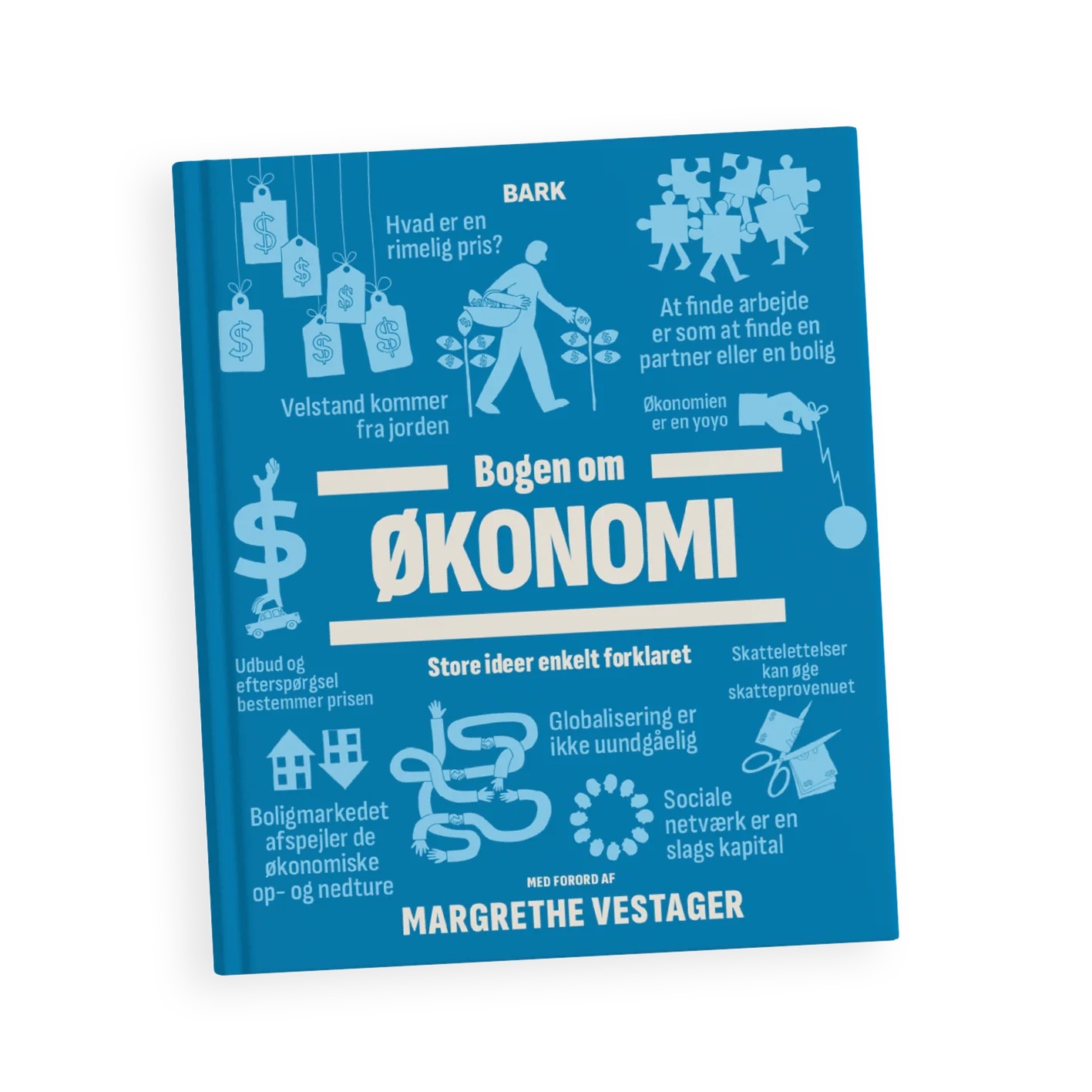
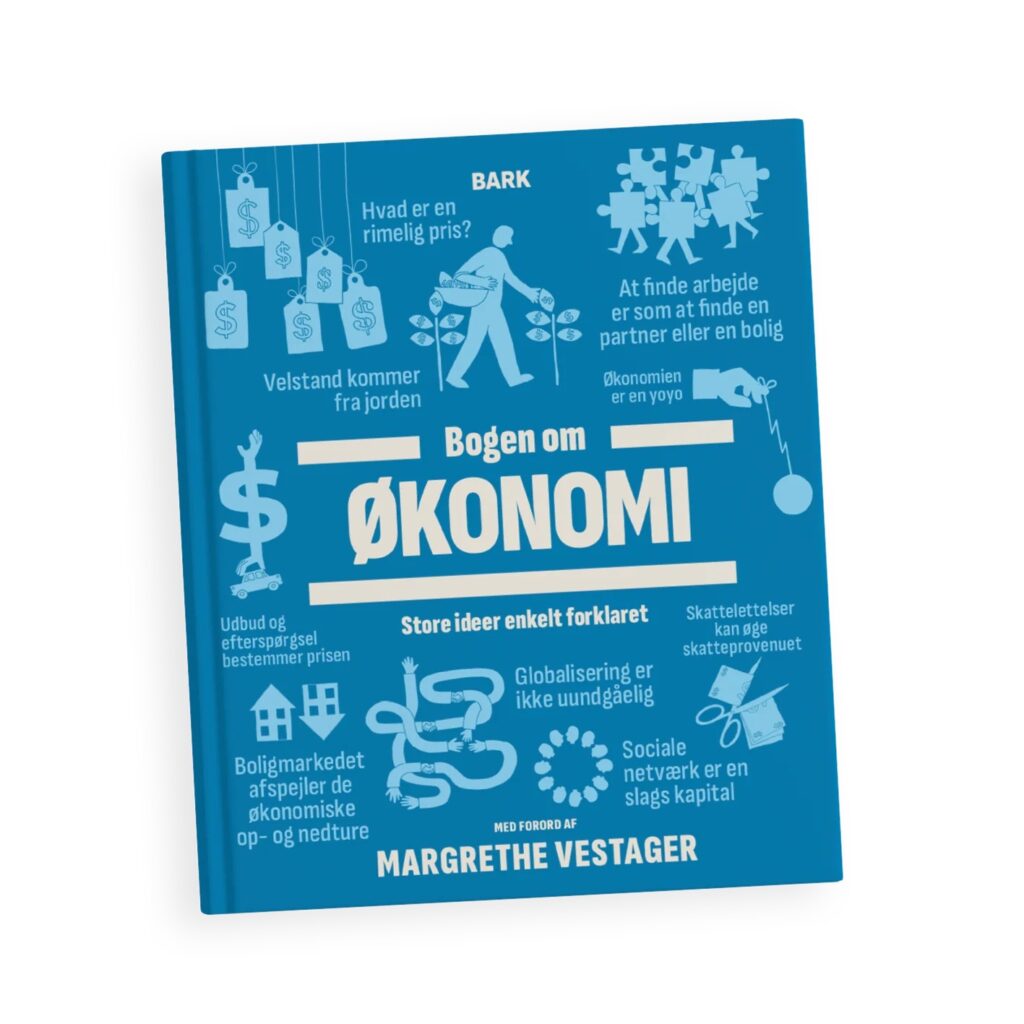
  • Anmeldelse: Bogen om historie – forlaget Bark

    Jeg ved ikke, hvor jeg skal starte. At åbne Bogen om historie fra Bark er som at åbne en skattekiste fyldt med værdifulde genstande.

    (more…)
  • the messy world of emotions and feelings


    You read a message from someone on social media and you feel your heart beating faster, your breathing becomes shallow, and you feel a knot in your stomach. The raw emotion of anger has been triggered and is changing your physiological state, signaling to your body and mind that something of importance has occurred, something that is either a threat to your physical or psychological well-being, or both. So now what?

    (more…)
  • Commencement Speech for IB Class 2025 – EUC Syd

    Photo by Emmanuel Offei on Unsplash

    I had the privilege of delivering this year’s commencement speech for the IB class of 2025 at EUC Syd, Sønderborg. Here it is:

    “Good afternoon, graduates, families, and friends. Congratulations to the IB Class of 2025. The day you’ve eagerly awaited and dreamed about is finally here. I am grateful and excited to be a part of your special moment, which marks the end of one chapter and the beginning of another.

    Being your teacher and listening to your thoughtful perspectives and ideas has genuinely been a privilege. In Theory of Knowledge, we discussed complex questions such as, “What is knowledge, and what information can we trust?”; “Do animals have language?”; and “Can historians ever produce objective knowledge?”. In psychology, we tackled difficult yet crucial themes like globalization, addiction, stereotypes, and discrimination. All in all, you learned that there are no black and white answers to complicated issues, and that solutions require careful reflection and critical thinking.

    But beyond witnessing your thoughtful exploration of complex questions, I also saw how academic pressure sometimes left you frustrated, anxious, and overwhelmed. To help you unwind at the beginning of a few psych lessons, I tried playing mindfulness music for five minutes, asking you to close your eyes and rest your heads on the table. I joined in, too, only to find one of you lying on the floor five minutes later in a rather unusual position. And then there was the time during an evolutionary psychology lesson when I excitedly showed a fascinating video of a bird carefully building its nest – well, at least I thought it was fascinating until I noticed one of you falling asleep…

    But humor aside, I genuinely relate to the stress and anxiety you might have felt when facing deadlines and something important. But know that we teachers have been there, too. Let me illustrate with a brief personal example.

    On a Sunday afternoon in September 2019, I was racing to finish a daunting 60-page philosophy paper due the next morning; the culmination of five intense years at university. At the same time, I was preparing to teach my first-ever university class the next day. Overwhelmed, I went for a walk to clear my mind, only to find myself gripped by anxiety and doubt. “Will I finish my paper in time?” “Am I even qualified to teach?” “Will everyone think that I’m a fraud?” My mind became cluttered with negativity, including the sarcastic words of a high school physics teacher after a failed exam: “Good luck in the future!”, he said.

    That Sunday I felt the world was ending. But morning arrived, my paper was submitted, and I taught my class. Life moved on, I graduated and eventually found myself in an exciting and meaningful role teaching IB students. Everything, despite my fears, turned out just fine. As philosopher Alan Watts once said, “Don’t be afraid. You’re going to make it, but it’s always going to feel as if you’re not.” Somehow, things always work themselves out, one way or the other.

    Dear graduates, you are a talented group of people, full of potential, with your whole life ahead of you. You stand before a future rich with possibility and adventure, but at the same time, a future that is increasingly difficult to predict. The world faces unprecedented environmental and technological challenges and is also haunted by anti-democratic ghosts of the past. The world calls upon you to confront these and other issues with intelligence, determination, collaboration, and not least with humility. By engaging actively with these and other societal problems, you’ll find growth, meaning, and purpose.

    Before you leave these classrooms and corridors and embark on your next journey, allow me to share three short lessons – insights I wish someone had shared with me when I was your age. At the senior age of 35, I’d like to imagine I’ve acquired a modest amount of hard-earned wisdom—at least enough to share a few insights with you today.

    Lesson one: you will make mistakes and wrong decisions – but that’s okay. The Danish philosopher Søren Kierkegaard humorously captures this human truth: “Marry, and you will regret it; don’t marry, you will also regret it; marry or don’t marry, you will regret it either way.” Choices, imperfect as they may be, shape who you become. Embrace uncertainty; see fear not as a giant red stop sign, but as an invitation to curiosity and exploration. The psychiatrist Thomas Szasz once said, “A child becomes an adult when she realizes that she has a right not only to be right but also to be wrong.

    Lesson two: you will encounter setbacks and misfortune. Not every plan or goal will unfold as expected. But remember, failure can sometimes exactly be what you need to become something greater; misfortune can carry the seeds of emotional and spiritual growth. Eckhart Tolle once wrote that, “Life will give you whatever experience is most helpful for the evolution of your consciousness.

    And lesson three: you cannot do it alone. Carrying all your thoughts and emotions by yourself can be incredibly difficult – and it’s more than okay to be vulnerable and ask for support. Being vulnerable while owning it is an act of true strength and bravery. I wouldn’t be sitting here today without the support and consolation of my family and friends in times of need, nor without the inspiring teachers, professors, and employers who believed in me and paved the way for me.

    So, offer your support to others, too. Never underestimate the power you have to make the world just a little better for the people around you. Be a light in the darkness.

    Once again, congratulations IB Class of 2025. Go confidently and courageously into your bright futures.”

  • you left without saying goodbye

    Photo by Egor Myznik on Unsplash


    I see you in the kitchen
    I see you in the park
    I see you in my bathroom-
    your blue toothbrush
    next to mine.

    I see you walking by me on the street,
    I see you in her eyes,
    in the café
    across the room.

    In the bedroom,
    I see you naked,
    vulnerable
    and full of life.

    I see you in my dreams,
    I feel you in the songs
    we used to hear,
    in the movies
    we used to watch.

    I see you on my couch,
    arms folded,
    legs crossed,
    holding back
    a smile.

    You’ve colonised my world.
    It belongs to you;
    It belongs to an imaginary us,
    existing somewhere somehow-
    God knows where,
    maybe.
    Maybe.

    ///

    Vidim te u kuhinji
    Vidim te u parku
    Vidim te u mom kupatilu –
    tvoja plava četkica za zube
    pored moje.

    Vidim te kako prolaziš pored mene na ulici,
    vidim te u njenim očima,
    u kafiću
    s druge strane prostorije.

    U spavaćoj sobi,
    vidim te nagu,
    ranjivu
    i punu života.

    Vidim te u svojim snovima,
    osjećam te u pjesmama
    koje smo nekad slušali,
    u filmovima
    koje smo nekad gledali.

    Vidim te na mom kauču,
    sklopljenih ruku,
    prekriženih nogu,
    kako zadržavaš
    osmijeh.

    Kolonizirala si moj svijet.
    Pripada tebi;
    pripada zamišljenom nama,
    koji negdje nekako postojimo –
    Bog zna gdje,
    možda.
    Možda.

  • Joker: Folie à Deux


    I just watched Joker: Folie à Deux. Despite the musical scenes and elements (not really my thing), I really enjoyed it. Here are some observations and comments.

    SPOILER ALERT

    The film emphasizes how people perceive you as they wish, and how society quickly rejects you if you don’t meet its expectations. Arthur’s lawyer and Harley Quinn (Lee) want him to be something he’s not – The Joker. Both of these women try to manipulate Arthur for their own interests. The lawyer insists Arthur developed a split personality to prove his innocence and advance her career; Lee speaks to his alter-ego to live out her own twisted fantasy. Are these characters extensions of Arthur’s mother, who also didn’t accept him for who he was, as shown by her calling him “happy”? Harvey Dent, the prosecuter, sees him as a monster. But is he?

    All Arthur desires is connection, love, acceptance, to be valued for who he is. Don’t we all? Yet, he is profoundly emotionally wounded, not shaped for society and its demands, making rejection easy. The film depicts Arthur as essentially weak, unable to embody his clown alter-ego and lacking control over his life. He is not The Joker, the strong persona who “can do anything”; this persona cannot shield him from the world’s cruelties. This is shown by his humiliation and dehumanization by the prison guards who sodomize him after his theatrical Joker performance in court. Furthermore, when he hears his prison mate being strangled, it seems he experiences a PTSD episode, reminding him of severe childhood trauma. He is so traumatized that he often retreats into an inner world where he feels safe and in control.

    A meta-layer?
    Interestingly, the film itself seems to be rejected by many in the audience (receiving bad-to-mixed reviews), perhaps because they expected something different. Perhaps they anticipated The Joker, chaos, violence, and mayhem – to be ENTERTAINED – not to witness an exploration of a broken, fragile, unwanted human being. As Arthur says at one point, “I got this sneaking suspicion that we’re not giving the people what they want.” How meta. The ending line, just before Arthur is stabbed in the gut, can also be interpreted on a meta-level: “You get what you deserve!”

    *

    I read or heard before watching the film that psychological explorations of tormented killers, like Fleck or Dahmer (real), are misguided because these individuals are innately evil, implying that we should not sympathise with them. I couldn’t disagree more. We can attempt to understand the inner workings of killers while still holding them legally and morally accountable for their actions. Even if a person is deemed evil, they didn’t choose to be so. Nobody chooses their genes, pre- and post-natal environment, parents, society, and culture. I would rather live in a society that shows empathy towards individuals who are victims of fate than one that sees the world in absolutes, in simple good and evil categories, thereby increasing the risk of dehumanization and mass atrocities.

    I see some parallels between Frankenstein’s monster and The Joker: Mary Shelley’s “Frankenstein” and The Joker share an intriguing exploration of the Monster’s subjectivity. In Shelley’s novel, the creature is a complex being seeking understanding and acceptance, grappling with its own identity and the rejection from society. Similarly, the Joker often represents chaos and madness, yet beneath the surface lies a deeper commentary on the nature of humanity and what it means to be seen as a monster.

  • Livets begyndelse // The beginning of life

    Solen skinner i dag. Jeg står bøjet ind over køkkendisken og presser citrondråber ned i den varme te; citronkerner glider ud og synker til bunds i koppen; syrlige dråber rammer teens dampende overflade og hvirvler rundt i den mørke væske. Jeg kigger ud ad vinduet ned mod baghaven med de misvedligeholdte cykelskure, det frodige grønne græs, og plante- og blomsterbedene. Haven er indrammet af lejlighedsblokke med gule mursten. En ung mand i et brunt tweed jakkesæt trækker med lette skridt en cykel på grusstien, der snor sig gennem haven som en slange. Solsorte på ormejagt, springer lystigt rundt på græsset. Jeg føres tilbage til sommeren, hvor jeg startede på filosofistudiet… *

    *De smilende nye ansigter, som snart vil blive velkendte; ihærdigheden, hvormed vi præsenterer os selv, høfligheden og munterheden; forventningerne; lad os alle drikke af det samme glas, spise med den samme gaffel, ryge af den samme smøg; duften af nyslået græs i universitetsparken, grønt og gult græs, duften af sommer, af frihed; duften af tobak og smagen af kold øl; latter, musik og klirrende rødvinsglas på Bellevue Strand i Aarhus, verden snurrer rundt og rundt, vi danser som nyfødte; vi leger i vandet som uhæmmede børn, som om vi aldrig har været i vandet før, eller som om vi et eller andet sted i bevidstheden begynder at erkende, at legen en dag vil ophøre; sanseindtrykkene er skarpe, blændende og berusende; Der er stadigvæk noget evigt over tiden, den er stadigvæk primært noget abstrakt og fjernt. En episk stemning af begyndelse og muligheder blæser i vinden denne sommer; af at noget større end mig selv hviler over fremtiden, noget stort, uhåndgribeligt og uforudsigeligt, som selve livets begyndelse.

    Bellevue Strand

    Credit: Denis Tatarevic

    The sun is shining today. I’m leaning over the kitchen counter, squeezing drops of lemon into the hot tea; lemon seeds slip out and sink to the bottom of the cup; the sour drops hit the steaming surface of the tea and swirl around in the dark liquid. I look out the window toward the backyard with its neglected bike sheds, the lush green grass, and the plant and flower beds. The garden is framed by apartment blocks with yellow brick walls. A young man in a brown tweed suit walks lightly along the gravel path, pulling a bike behind him, the path winding through the garden like a snake. Blackbirds, hunting for worms, hop happily around the grass. I am transported back to the summer when I started studying philosophy…

    The smiling new faces that will soon become familiar; the eagerness with which we introduce ourselves, the politeness and cheerfulness; the expectations; let us all drink from the same glass, eat with the same fork, smoke the same cigarette; the scent of freshly cut grass in the university park, green and yellow grass, the smell of summer, of freedom; the scent of tobacco and the taste of cold beer; laughter, music, and the clinking of wine glasses at Bellevue Beach in Aarhus, the world spinning round and round, we dance like newborns; we play in the water like uninhibited children, as if we’ve never been in the water before, or as if, somewhere in our consciousness, we are beginning to realize that one day the play will stop; the sensory impressions are sharp, dazzling, and intoxicating; there is still something eternal about time, it remains primarily something abstract and distant. An epic sense of beginning and possibility is in the air this summer; of something greater than myself resting over the future, something grand, intangible, and unpredictable, like the very beginning of life.

  • Den mørkegrønne grænsebro

    Grænsebro mellem Kroatien og Bosnien
    https://shorturl.at/PYalT

    Det land, jeg kommer til verden i, rives midt over, synker til bunden af civilisationen. Underben sprænges af, underliv forslåes og mærkes for altid. Soldater skyder ubevæbnede civile i ryggen mens de ryger cigaretter og griner. Livløse kroppe smides i udgravede huller som sild i en tønde. Råb og skrig mod den tavse himmel, genlyd i bjergene, tarmene vrider og vender sig i en. Titos mantra om broderskab og forening rådner op i Beograd sammen med hans jordiske rester.

    Motorens brummen i den blå bus er hypnotiserende. Folk hvisker, tysser, snøfter i mørket. Luften i bussen er tung med larmende tanker. Mine forældre tørrer tårer væk, mor bider negle, storesøster sover med munden vidt åben. Fra Zagreb, op gennem Østrig og Tyskland, snedækkede bjergtinder, tunneller, der ormer sig igennem alperne, den uendelige Autobahn. Modtagercenteret har tremmer for vinduerne. Folk nægter at forlade bussen, forældre knuger deres børn til sig. Med store, akavede armbevægelser, forsikrer en tolk, at det ikke er et fængsel.

    *

    Lysegrå, sterile barakker, bosniakker, kroatere og serbere. Min familie klemmes ind på 10m2. Fælleskøkken med to komfurer fører undertiden til gnidninger og forbandelser; krig finder altid ly i bevidstheden. Fars orange Golf 1 ridses i bildøren. Jeg lærer at cykle på græs, så smerten er mindre, når jeg vælter. En mand med smilende øjne og anderledes påklædning siger nogle underlige lyde. Mine forældre kigger usikkert på hinanden, tunge øjenlåg; jeg roterer Batman-figurens led og lemmer, rokker frem og tilbage på stolen.

    Asylcenteret har intet hegn eller mur, ligger ud til en landevej. Jeg nærmer mig centerets grænse og stopper op; hjertet tordner i min brystkasse, mundvandet tørrer ind. Skråt overfor på den anden side af vejen ligger et gammelt, gult murstenshus. Fyrretræer, ranke som soldater, omkranser huset, og løber langs landevejen. Den tavse, mystiske bygning pirrer mit barnesind; hvem gemmer sig inde i huset? Hvordan ser de ud? Hvordan lyder de? Om natten flyder min fantasi udover dens bredder.

    *

    I 1. klasse ved jeg ikke, hvor jeg bor. Hver morgen hører dansklæreren Mette, med det mælkehvide, kraftige hår, os i basale personlige fakta. På vej op til katederet skælver jeg. ”Adresse?”, spørger hun, spids blyant i hånden, et utålmodigt, men forhåbningsfuldt blik. ”Jeg ved det ikke”, siger jeg så lavmælt, at jeg næsten ikke selv kan høre det; jeg skal kaste op.

    *

    Det er en mørk december morgen, svagt oplyst af gadelamper. I den store, varme aula står jeg iblandt en tæt forsamling af folkeskoleelever. Mit hoved let foroverbøjet, hænderne sammenfoldet. Fader vor, du som er i himlene! Helliget vorde dit navn, komme dit rige, ske din vilje, som i himlen således også på jorden. Ordene runger i hele skolen, svært at skelne dem fra hinanden, jeg tier. Giv os i dag vort daglige brød, og forlad os vor skyld, som også vi forlader vore skyldnere. Granitfliserne gynger under mig, blodet forlader mit ansigt. En genkendelig stemmer breder sig inde i mig som et ekko: ”Du behøver ikke at bede fadervor. Og led os ikke i fristelse, men fri os fra det onde. Thi dit er riget og magten og æren i evighed! Amen.

    *

    Du beretter om din barndom i din og min fødeby, Gradiška. Hvordan du som barn fra den mørkegrønne grænsebro tøvende sprang ned i den kolde og stille Sava-flod. Hvordan dig og dine kammerater drak jer sanseløst beruset på barer og caféer. Hvordan du plukkede hårde, umodne æbler og pærer fra naboens have, og sprintede afsted med dem i favnen, som var de diamanter. Du henviser til steder, mennesker, og begivenheder som jeg ikke kender, og min fødeby er ikke meget andet end en abstraktion. Et postkort og et opkald fra et fjernt sted, et sted, der mest af alt eksisterer i en drøm.

    *

    I frikvartererne refererer I til salmebogen, Matador, juleminder, konfirmation; jeg kigger ud i luften mens I griner sammen. Nogle bosniere hilser med marhaba (hej på arabisk), men det føles fremmed for mig. Mit bosniske sprog underudvikles, selvbevidstheden ligger sig som en tynd, rødlig hinde på mit ansigt. Under bayram (bosnisk fest) giver mine tanter og onkler mig hånden og siger, ”bajram serif mubarek olsun”, jeg kigger ned i gulvet og siger ”tak, og i lige måde.”

    ”Gud er død” detonerer jeg og sender chokbølger gennem rummet. Hvad mon de reelt tænker og føler? Vi kører til Bosnien, kolonner af røde og hvide lys på autobahnen, slår revner i den tætte mørke, uhyggelige rastepladser med sovende lastbiler. På vej mod Bosnien, et land, som jeg ikke bor i, men som lever en skyggeeksistens inde i mig; et grænseløst land og befolkning. Vi krydser grænsebroen og mødes med fjendtlighed af grænsevagterne. Naboer besøger os, slukker tørsten i rakija, bruger ord jeg ikke forstår; kalder mig for pravi danac (rigtig dansker). Jeg ved ikke, hvad ’rigtig dansker’ betyder, men jeg føler mig fornærmet. Indignationen afløses af skammen.

    *